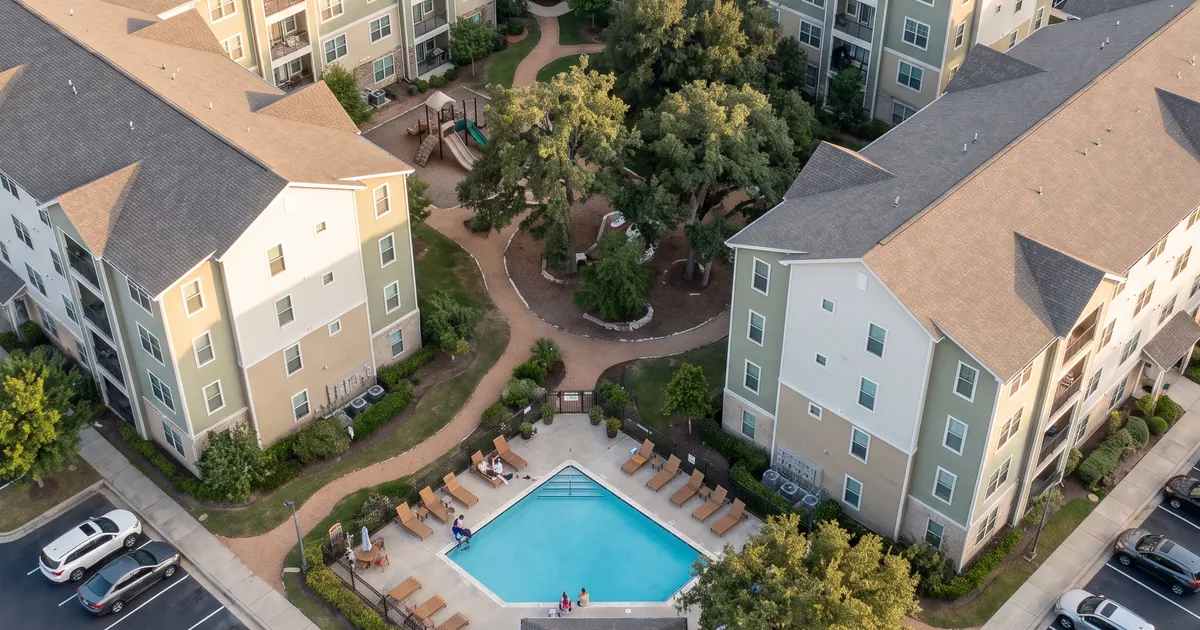


AI-native rental operations is a way of running residential leasing in which AI agents handle the repeatable work of the renter journey, answering inquiries, matching renters to units, booking and following up on tours, collecting application documents, and coordinating move-in, while authorized people keep every decision that requires judgment. The leasing team's existing CRM, property-management, calendar, and document systems stay the source of truth; the AI works across them instead of replacing them.
Key takeaways
- AI-native rental operations moves repetitive leasing work to AI agents and keeps approvals, exceptions, and relationships with people.
- The renter journey it covers runs from the first inquiry to move-in: response, matching, tours, applications, documents, lease, and move-in coordination.
- It is not automated tenant selection. AI does not approve, decline, or rank applicants.
- Existing systems remain authoritative. The value comes from connecting them, not replacing them.
- Success is measured in operating outcomes: response time, tours booked and attended, complete applications, time to a human decision, and days vacant.
What does "AI-native" mean for a leasing team?
It means the work is designed around AI agents from the start, rather than adding a chatbot on top of a manual process. In a traditional setup, a leasing agent reads every inquiry, copies details between systems, chases documents by email, and reminds renters about tours by hand. In an AI-native setup, those steps run as governed workflows: the agent answers from approved property information, books from the real calendar, requests the documents the written policy requires, and hands the case to a person with the full history attached when judgment is needed.
The difference is not the presence of AI. It is who carries the repeatable work, and how clearly the boundary is drawn between what runs on its own and what waits for a person.
Which parts of the rental journey can AI agents handle?
AI agents are well suited to work that is frequent, time-sensitive, and governed by information the team has already approved:
- Inquiry response. Answering questions about availability, rent ranges, fees, pets, parking, and move-in dates, at any hour, from approved information.
- Unit matching. Suggesting available units that fit the renter's move-in date, budget, and requirements, using live inventory.
- Tour coordination. Booking from open calendar slots, confirming, reminding, handling reschedules, and following up after the visit.
- Application intake. Recording consent, requesting the documents the policy requires, tracking what is missing, and organizing the file for review.
- Lease and move-in coordination. Sending the approved lease for signature and tracking deposits, insurance, utilities, keys, and move-in times.
Each of these is described as a workflow, for example renter inquiry response and rental application document intake.
What guardrails keep rental decisions with people?
Anything that is a decision about a person's housing. Approving or declining an application, ranking applicants, granting exceptions to policy, changing lease terms or concessions, and handling accommodation requests all belong to authorized people. In Canada, provincial human rights codes prohibit discrimination in housing on protected grounds, and privacy law governs how applicant information is collected and used, so a well-designed workflow applies the operator's written criteria consistently, records consent, limits access to sensitive documents, and keeps a traceable record of who made each decision. This is an operational summary, not legal advice.
How is this different from a leasing chatbot?
A chatbot answers questions. AI-native operations runs the work that follows the answer. The test is what happens after the first reply: whether the tour gets booked on the real calendar, whether the reminder goes out, whether the missing pay stub gets requested and tracked, and whether the complete file reaches a reviewer with the evidence organized. A chatbot that cannot do those things leaves the team doing the same manual follow-up as before.
How do you measure whether it is working?
Start with a baseline from the current operation, then track the same measures after launch:
- Speed to first response for every inquiry, including evenings and weekends.
- Inquiry-to-tour conversion and tour attendance.
- Application completion: the share of started applications that become complete files.
- Time to a human decision once a file is complete.
- Days vacant and, for new buildings, the pace of lease-up.
- Exception volume and the team time spent on repetitive work.
If those numbers do not move, the workflow is not doing its job, regardless of how impressive the conversation looks.
Where should a leasing team start?
Start where the delay is most expensive and the rules are clearest. For most teams that is inquiry response, because renters contact several buildings at once and the first accurate answer often wins the tour. From there, extend the same governed approach to tours, then applications, then move-in. Our guide to leasing inquiry response time covers that first step in detail, and our note on human review of rental applications covers where the boundary sits once applications start arriving.